
The Nationwide Reaction to New York’s Novel Data Center Moratorium
Fortunately, there are some emerging examples of sound leadership in this space that acknowledge the importance of data center infrastructure and protect ratepayers from rising utility prices, all without taxpayers footing the bill.
The United States is currently the undisputed global leader in artificial intelligence. However, one state has taken decisive action to halt the development of the new data center projects that make much of the modern internet possible.
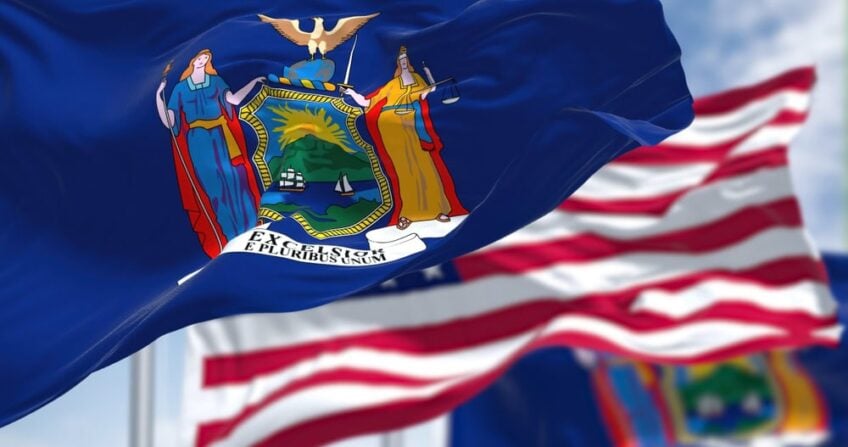
New York Gov. Kathy Hochul recently issued a sweeping executive order freezing the permitting process for new data centers until the state Department of Public Service publishes a final Generic Environmental Impact Statement that assesses potential energy demand, water use, air quality, noise levels, and “impacts on disadvantaged communities.”
This development comes just weeks after the New York State Assembly sent a standalone data center moratorium package to the Governor’s desk for signature amid escalating concerns in communities across the nation, especially pertaining to potential impacts on local energy and water supplies.
The ramifications of Gov. Hochul’s pause on data center expansion will be felt far beyond the shores of Long Island and the Adirondack Mountains. The State of Maine considered a similar proposal that was ultimately vetoed by Gov. Janet Mills in April and instead opted to establish a state Data Center Advisory Council to study the issue further. And dozens more states and localities are considering data center reforms of their own.
Fortunately, there are some emerging examples of sound leadership in this space that acknowledge the importance of data center infrastructure and protect ratepayers from rising utility prices, all without taxpayers footing the bill. States with sound energy and economic policies that rank highly in the ALEC Energy Affordability Report, like Texas (Rank 10), Oklahoma (Rank 4), and Utah (Rank 11), will be well positioned to seize this moment and all the economic investment that comes with it.
Oklahoma even enacted a new Data Center Consumer Ratepayer Protection Act that requires data centers to cover necessary infrastructure upgrades and installs transparency and notification requirements for new projects, making communities and local officials a part of the process from the beginning of the project life cycle.
Meanwhile, New York—ranked 43rd in energy affordability and dead last for economic outlook in the Rich States, Poor States: ALEC-Laffer Economic Competitiveness Index—continues to enact overreaching policies such as the RAISE Act, which significantly burdens small and medium-sized entrepreneurs with new AI compliance mandates and risk assessments.
As ALEC noted earlier this year, data centers not only enable the next generation of artificial intelligence and connected technologies, but also power the digital economy, online commerce, transportation and logistics, banking and finance, and countless more government services and first responders.
Instead of stumbling into the Empire State’s self-imposed energy affordability problem, states can look to leadership from the Sunbelt and the federal Ratepayer Protection Pledge for solutions that unlock economic prosperity, hold data center developers accountable for the community impacts of their infrastructure, and prioritize the well-being of the ratepayer.