
How State Defense Forces Can Enhance State Emergency Capacity
State Defense Forces are often overlooked and underutilized.
ALEC has just released its newest publication, State Defense Forces & Disaster Preparedness: Enhancing State Emergency Capacity, which outlines how one of the country’s oldest institutions helps states prepare for modern emergencies. The report traces the evolution of state-controlled volunteer militias and examines how modern State Defense Forces strengthen disaster response, homeland security, and state resilience.
State Defense Forces (SDFs) are state-controlled military organizations that trace their roots to the volunteer militias that existed before the Revolutionary War. Unlike the National Guard, SDFs cannot be federalized and remain under their governor’s control. Today, 20 states and Puerto Rico maintain these forces and use them to support major events, disaster response, and emergency operations.
Over the past several decades, SDFs have become increasingly relevant as the National Guard becomes more integrated into the Army’s Total Force Policy. This integration has strengthened the Guard’s role in national defense, but it has also increased deployment tempo. As a result, governors cannot always assume their full National Guard force will be available during a state emergency. SDFs offer states a cost-effective option to bolster their emergency preparedness and fill capacity gaps when National Guard units are deployed.
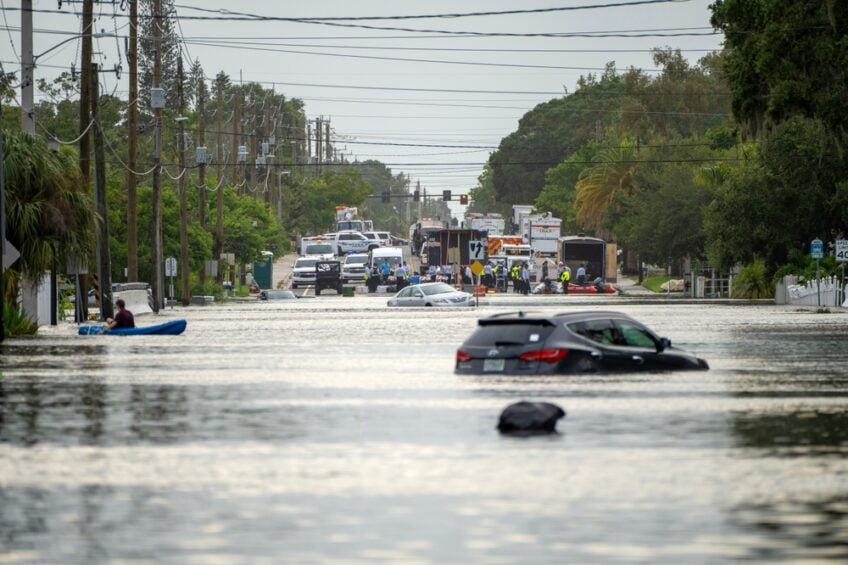
Modern SDFs vary widely in size and structure depending on their state’s unique needs. Florida reestablished its State Guard in 2022 and has since grown it to roughly 1,000 members with aviation, maritime, crisis response, and special mission capabilities. During Hurricanes Debby, Helene, and Milton, more than 600 Florida State Guard members supported hundreds of search-and-rescue missions and health and welfare checks.
Virginia takes a different approach. Its roughly 200-member Defense Force provides communications, emergency management, logistics, and even cyber capabilities. Indiana has a force of roughly 70 volunteers who support emergency response, community events, and National Guard readiness.
With 30 states currently operating without an SDF, policymakers have an opportunity to consider how these organizations fit into modern emergency preparedness. State Defense Forces & Disaster Preparedness: Enhancing State Emergency Capacity provides legislators with the history, examples, and policy context needed to take a closer look at this often-overlooked resource.