
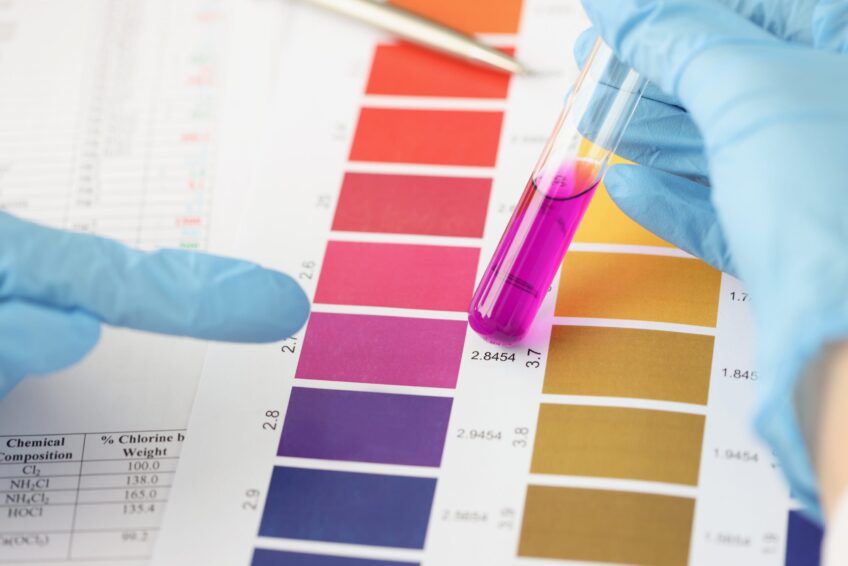
Colorado Strengthens Justice System Integrity, Limits Use of Colorimetric Field Drug Tests
With HB26-1020, Colorado joins a growing number of states working to modernize criminal justice procedures and reduce preventable errors.
Colorado lawmakers took a meaningful step toward strengthening due process and improving the reliability of criminal prosecutions with the passage of HB26-1020. This reform addresses longstanding concerns surrounding the use of presumptive field drug tests—tools that, while convenient, have been shown to produce concerning false positive rates, contributing to wrongful arrests and prosecutions. Gov. Jared Polis signed the bill into law this past week.
HB26-1020 places clear guardrails on how these field drug tests can be used in the criminal justice system. Specifically, the legislation limits reliance on these tests as primary evidence, reinforcing that they are not definitive indicators of illegal substances.
Testing accuracy is the central concern with presumptive field drug tests. A 2024 study published by the University of Pennsylvania Carey Law School found that presumptive field drug tests are used in roughly half of the nation’s 1.5 million annual drug arrests. The researchers estimate that roughly 30,000 of those arrests each year involve false positives. In some jurisdictions, false positive rates range from 15% to as high as 38%, leading to a troubling number of innocent people being wrongfully accused.
The unanimously adopted reform ensures that confirmatory laboratory testing—not field kits—serves as the base evidentiary standard to conduct arrests and criminal prosecutions. This shift helps prevent individuals from being charged, detained, or pressured into plea agreements based on unreliable or incomplete evidence. It also reduces the risk of wrongful convictions stemming from inaccurate test results, a problem that has drawn increasing scrutiny nationwide.
Importantly, HB26-1020 reflects core principles found in ALEC’s Colorimetric Presumptive Field Drug Test Limitations Act, which emphasizes evidentiary integrity and safeguards against misuse of presumptive testing. By adopting these standards, Colorado policymakers are reinforcing the foundational concept that the states’ burden of proof must be founded on accurate, verifiable evidence.
This reform delivers practical benefits across the justice system. It promotes greater accountability in law enforcement practices, supports more reliable prosecutorial outcomes, and protects individuals from the cascading consequences of flawed initial testing. At the same time, it preserves the utility of field tests as investigative tools—still allowing officers to issue citations for criminally suspect substances that test positive under a field drug test, without providing support for probable cause or arrest.
With HB26-1020, Colorado joins a growing number of states working to modernize criminal justice procedures and reduce preventable errors. The legislature’s action demonstrates a clear commitment to balancing public safety with the protection of individual rights—an approach that strengthens confidence in the justice system as a whole.