
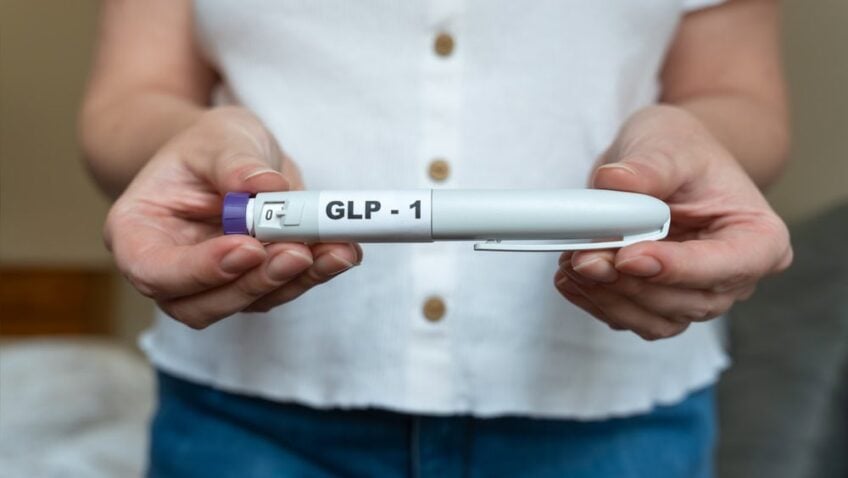
States Weigh In: Regulating GLP-1s and Other Compounded Drugs
Concerns over safety, quality and potential exploitation has led some states to consider legislation to limit or regulate compounding.
The rise of GLP-1 receptor agonists like semaglutide (found in Ozempic and Wegovy) and tirzepatide (found in Mounjaro and Zepbound) has transformed the landscape of weight loss treatment. These drugs, originally developed to manage diabetes, have exploded in popularity. Many are using these drugs off label to shed pounds and without health insurance coverage, the price tag can be steep which has led to a surge in lower cost alternatives. Many of these alternatives are compounded drugs. These custom-made drugs are prepared by pharmacies and often mimic the originals at a lower cost. While compounding has filled gaps in shortages and provided a more budget-friendly alternative, it has raised concerns over safety, quality and potential exploitation leading some states to consider legislation to limit or regulate compounding.
Compounded drugs are customized medications created by pharmacists who mix, alter, or combine ingredients to meet the specific needs of a patient. It can involve adjusting dosages or changing forms (example: from pill to liquid). Compounding pharmacies operate under FDA regulations which allow them to create drugs exempt from full FDA approval when there is a shortage or a specific patient need. Compounding pharmacies are required to use validated Active Pharmaceutical Ingredients (APIs)—not raw chemicals—and adhere to United States Pharmacopeia standards.
Unlike brand-name drugs, compounded versions are not FDA-approved as finished products. Mass production of near-identical copies of patented drugs is generally not permitted. Compounding is legally permitted primarily when FDA-approved drugs are in shortage, or when a patient’s unique medical need cannot be met by commercial products.
Compounding is an important alternative that can help resolve shortages and provide alternatives for patients who need personalized dosages, ingredients, or who need the removal of allergens. However, intellectual property rights are critical to the research and development of biopharmaceuticals. The right policy balance must be struck. During the GLP-1 shortages in 2022, the FDA permitted compounding to bridge supply gaps, but with shortages officially resolved there has been a lot of debate over the sale of compounded alternatives.
The debate over some GLP-1 alternatives was resolved when Novo Nordisk, maker of Ozempic and Wegovy, recently struck a deal with popular telehealth platform Hims & Hers to sell Ozempic injections and Wegovy injections and tablets at the same price (no increase). This will allow patients to use Him & Hers to, following physician consultation, access multiple FDA-approved doses and formulations.
Controversy over GLP-1 drugs aside, Compounding is essential for creating customized medications tailored to meet specific patient needs. It allows pharmacists to remove inactive ingredients like dyes, lactose, or glutens that can be allergens for some patients, or can allow them to create special flavored medications for children or pets. As long as it is not being used to subvert state laws or infringe on intellectual property rights, compounding is literally life saving for some patients.
ALEC supports safe pharmaceutical compounding. We recently updated our Safe Compounding Act to expand it beyond chronic and terminal illness to support compounding generally as long as it complies with all federal and state law and regulations and is done with Active Pharmaceutical Ingredients (APIs) and meets the standards of United States Pharmacopeia Monographs.